

The Execution Gap: Why Businesses Stall With a Good Plan in Hand
In this piece:
Why a stuck business usually has a capacity problem, not a strategy problem
Why the $300K executive hire and the title-first fractional model both miss the same mark
How to size leadership around capacity instead of titles

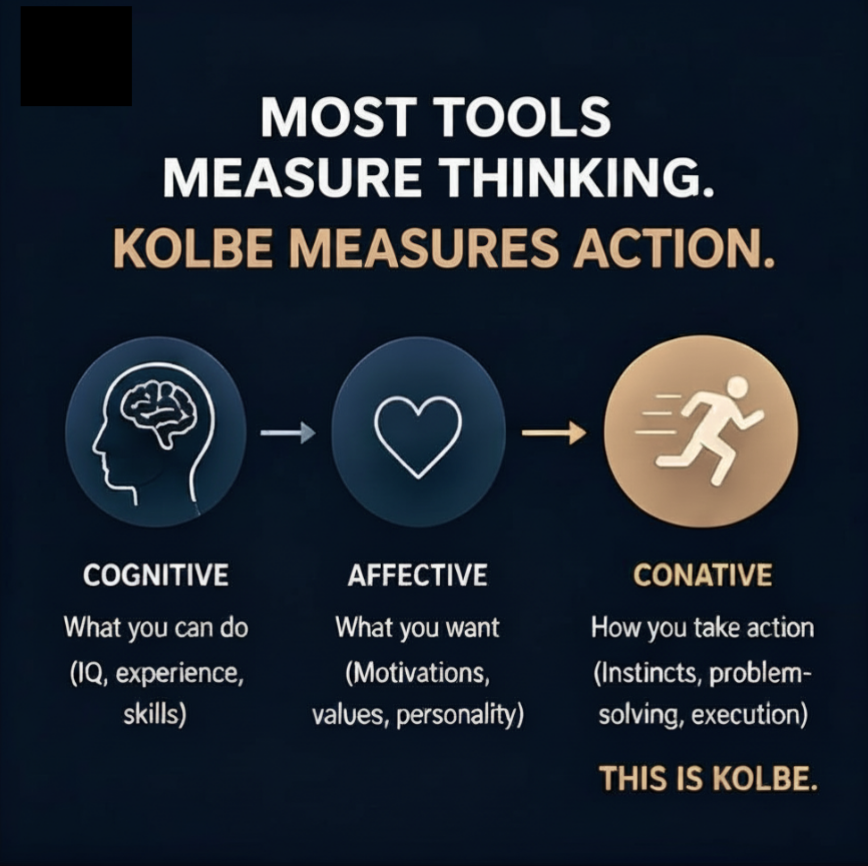
What Is the Kolbe Index? Why Leadership Fit Drives Execution
What Is the Kolbe Index? Why Leadership Fit Drives Execution

Fractional COO vs Full-Time COO: What Growth-Stage Companies Need to Know
Fractional COO vs Full-Time COO: What Growth-Stage Companies Need to Know
Why Systems and Behavior Must Work Together in Growth-Stage Companies
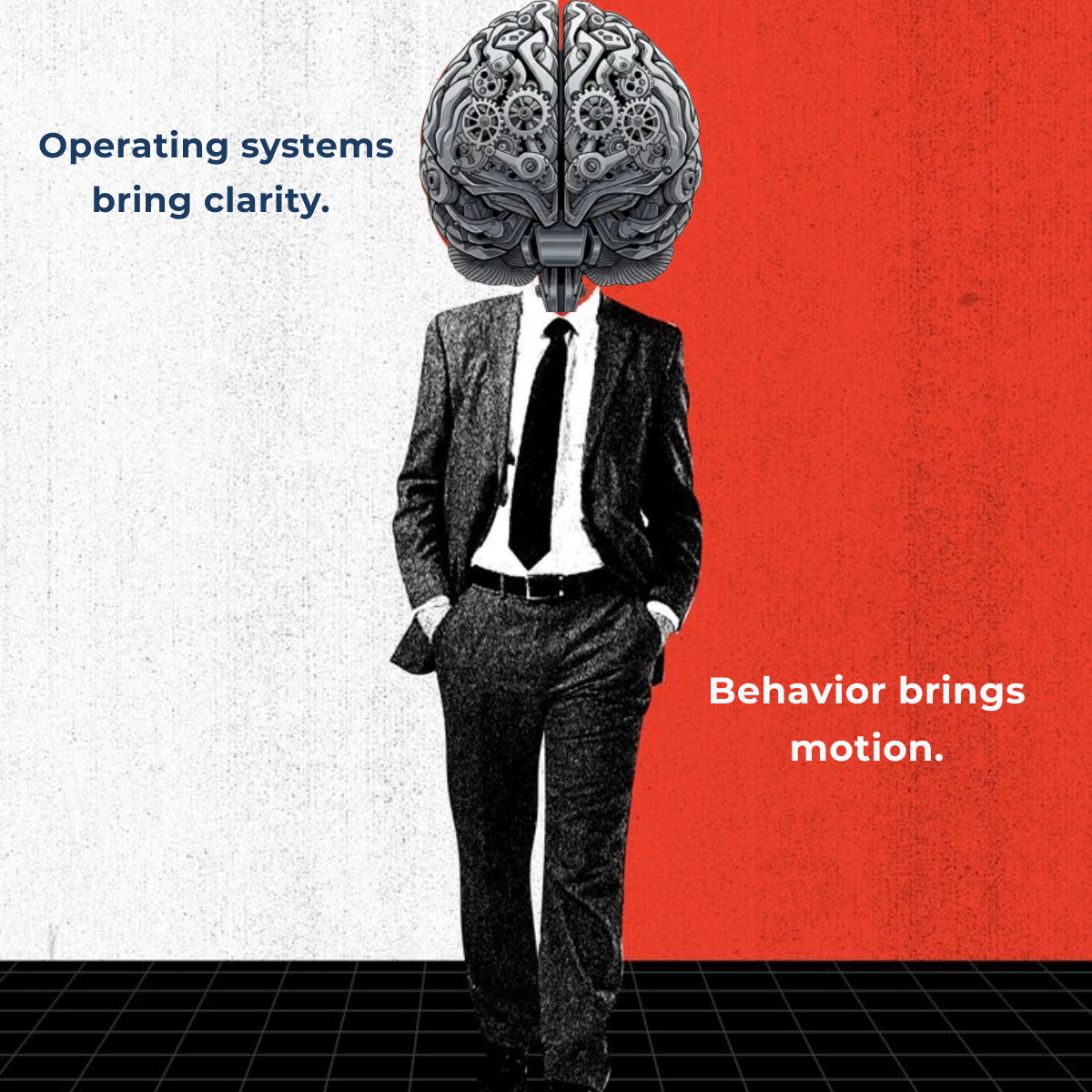
Operating systems bring clarity. Behavior brings motion.

Why Execution Breaks When You Separate Systems From Behavior
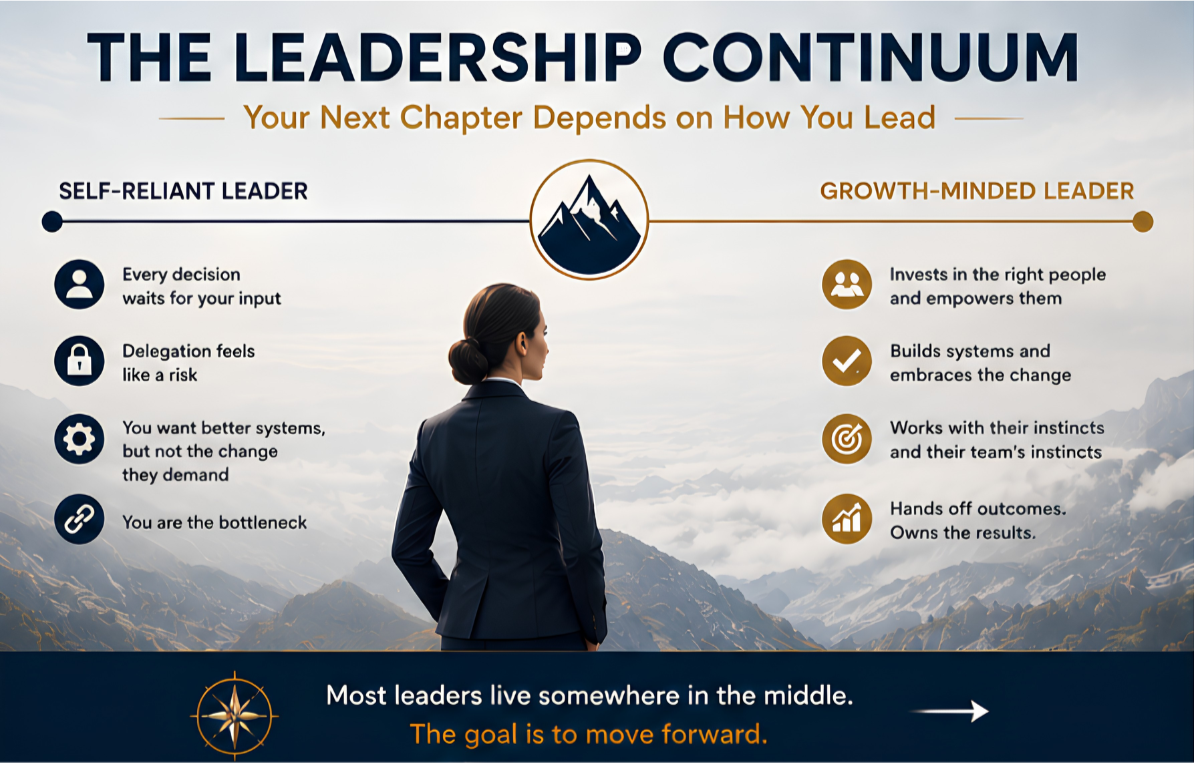
Execution breaks when everything routes through one person.

Fractional Leadership Isn't a Trend — It's a Response
Why founders are choosing fractional executive leadership over traditional full-time hires










SMRT is Not SMART: The Hidden Danger of Overlooking Achievability
We’ve all heard about SMART goals, right? Specific, Measurable, Achievable, Relevant, and Time-bound. Too often, when reviewing strategic goals with clients, I find that teams have instead set SMRT goals – missing the critical element of Achievability.
It’s understandable. The optimism and drive behind wanting to set a high bar are commendable. Leaders and teams naturally aim high, striving to push boundaries and achieve excellence. However, without considering achievability, this well-intentioned ambition can backfire.